
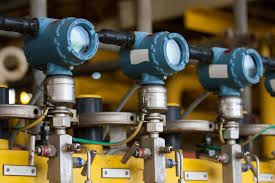
What is a Pressure Transmitter
• • •
Pressure transmitters are one of the most important instruments used in industrial automation systems. They are designed to measure pressure and convert it into an electrical signal that can be read by control systems such as PLCs and SCADA systems.
A typical pressure transmitter measures pressure in liquids or gases and converts the pressure value into a standard output signal such as 4-20 mA or 0-10 V. This signal can then be transmitted over long distances without losing accuracy.
Main Components of a Pressure Transmitter
A pressure transmitter usually contains several important components:
Pressure sensing element
Signal conditioning electronics
Output signal module
Process connection
The sensing element detects pressure and converts it into a small electrical signal. The electronics then amplify and convert this signal into a stable industrial output signal.
Applications
Pressure transmitters are widely used in:
Water treatment plants
Oil and gas pipelines
Boilers and steam systems
Industrial automation processes
Hydraulic systems
Advantages
High accuracy
Long-term stability
Easy integration with PLC systems
Reliable industrial performance• • •