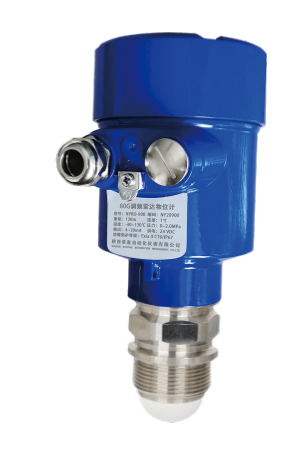
NYRD-900 80GHz Radar Level Meter Supplier in Egypt
Alexandria Industrial Control supplies and supports the NYRD-900 80GHz Radar Level Meter for industrial tank level measurement applications in Egypt, including 4-20mA + HART signal support, application review, and PLC/HMI integration.
The NYRD-900 is suitable for continuous non-contact level measurement in tanks and process vessels where correct selection depends on tank height, medium type, vapor conditions, temperature, pressure, nozzle size, installation position, and control system requirements.
Engineering-Based Radar Level Meter Selection
Radar level measurement is widely used for non-contact tank level applications. A suitable radar level meter should be selected according to the medium, tank height, antenna type, process temperature, pressure, vapor, foam, agitation, nozzle conditions, and required output signal.
Alexandria Industrial Control supports customers in Egypt with NYRD-900 radar level meter selection, supply, technical clarification, signal integration, and field-oriented troubleshooting support.
NYRD-900 Radar Level Meter Applications
Tank Level Measurement
Non-contact level measurement for storage tanks, process tanks, utility tanks, and industrial vessels.
80GHz Radar Level
High-frequency radar level technology for narrow beam applications, improved focusing, and suitable tank installation review.
PLC / HMI Integration
Support for 4-20mA + HART signals, wiring, analog input scaling, alarm configuration, and HMI level display.
Process Industries
Level measurement support for water treatment, chemicals, petrochemicals, fertilizers, utilities, and manufacturing plants.
Difficult Applications
Application review for vapor, dust, high temperature, agitation, foam, heating, and challenging tank conditions.
Replacement Support
Support for replacing ultrasonic level transmitters or old level instruments with suitable radar level solutions.
Information Required for NYRD-900 Selection
To select a suitable NYRD-900 radar level meter configuration, the following information is usually required:
- Tank height and required measuring range.
- Medium type, such as water, chemicals, oil, bitumen, powder, slurry, or viscous material.
- Process temperature and process pressure.
- Presence of vapor, foam, dust, agitation, heating coils, or internal tank obstacles.
- Nozzle size, nozzle height, and installation position.
- Required output signal, such as 4-20mA, HART, or digital communication.
- Power supply and control system requirements.
- Mounting connection, antenna type, material compatibility, and environmental conditions.
Radar Level Meter Selection Table
| Selection Point | What to Check | Why It Matters |
|---|---|---|
| Tank Height | Total tank height, measuring range, dead zone, and mounting position. | To select the correct range and avoid measurement loss near the top or bottom of the tank. |
| Medium Type | Liquid, solid, slurry, oil, chemical, bitumen, powder, or viscous medium. | The medium affects reflection quality, antenna selection, and installation requirements. |
| Temperature & Pressure | Process temperature, tank pressure, and ambient temperature around the instrument. | To ensure the radar level meter is suitable for the process and protects the electronics. |
| Vapor / Foam / Dust | Vapor, condensation, foam, dust, steam, or heavy process atmosphere. | To decide whether radar is suitable and what installation precautions are required. |
| Nozzle & Installation | Nozzle diameter, nozzle height, distance from tank wall, and internal obstacles. | Incorrect installation can cause false echoes or unstable level readings. |
| Output Signal | 4-20mA, HART, relay output, digital communication, or PLC analog input requirements. | To ensure compatibility with the control system and HMI display. |
How We Help You Select the Right Radar Level Meter
Radar Level vs Ultrasonic Level
Radar level meters are often preferred in applications where vapor, foam, temperature variation, or difficult tank conditions may affect ultrasonic measurement. However, the final selection should always be based on the actual tank and process data.
Radar Level Meter
Suitable for many industrial tanks and non-contact measurement applications, especially when the correct antenna and installation are selected.
Ultrasonic Level
Can be useful for simple applications, but may be affected by vapor, foam, dust, pressure, or temperature gradients depending on the process.
Application Review
We review the application conditions before recommending radar, ultrasonic, hydrostatic, or switch-based level solutions.
Need NYRD-900 Radar Level Meter for an Industrial Tank?
Send us your tank data: tank height, medium, temperature, pressure, vapor condition, nozzle size, installation position, required output signal, and any existing instrument model. Our team will review the requirement and help you select a suitable radar level measurement solution.
Frequently Asked Questions
Do you supply NYRD-900 radar level meters in Egypt?
Yes. Alexandria Industrial Control supports NYRD-900 radar level meter selection and supply for industrial tank level measurement applications in Egypt.
Can radar level meters replace ultrasonic level transmitters?
In many applications, radar level meters can be a suitable alternative to ultrasonic level transmitters, especially where vapor, foam, temperature variation, or difficult tank conditions affect ultrasonic measurement. The final selection depends on the application data.
Can you help select radar level meters for bitumen tanks?
Yes. Bitumen tank applications require careful review of tank height, temperature, vapors, heating conditions, nozzle design, antenna type, and installation position before selecting the suitable radar level meter.
What information is required before selecting a radar level meter?
The main required data includes tank height, medium, process temperature, pressure, vapor or foam condition, nozzle size, installation position, required signal, and control system requirements.
Do you support PLC and HMI integration for level instruments?
Yes. Alexandria Industrial Control supports signal review, wiring clarification, PLC analog input scaling, alarm setup, and HMI level display integration for radar level measurement systems.